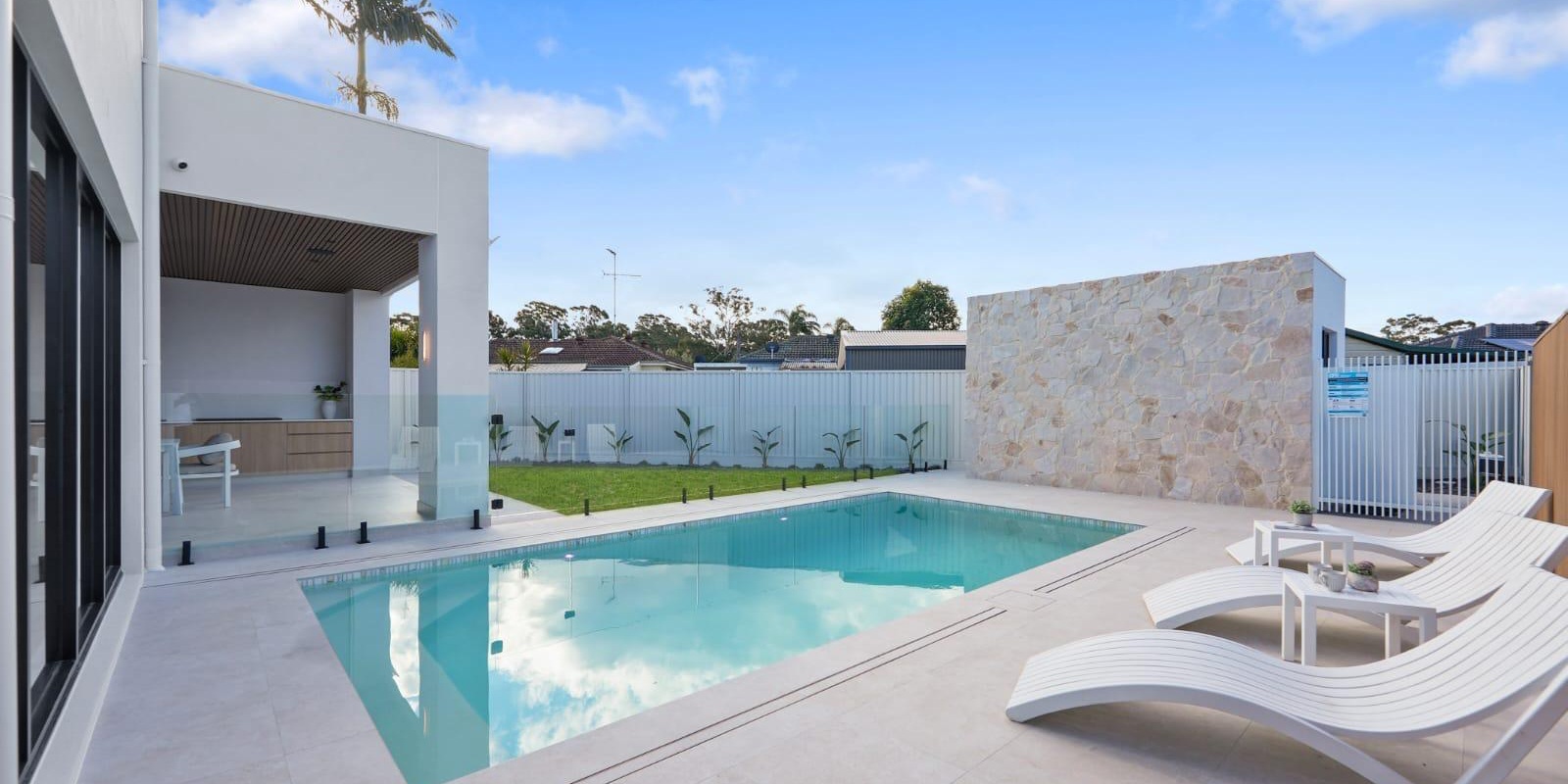
Walk down any street from Marrickville to Mosman right now and you’ll notice something — half the houses look like they’ve just come back from a weekend at a day spa. Smooth walls, moody colour tones, that “did they rebuild the whole thing?” finish. Nine times out of ten, they haven’t rebuilt anything. They’ve just rendered it.
Rendering has quietly become the renovation Sydney can’t stop talking about, and for good reason. It’s faster than a full rebuild, cheaper than re-cladding, and it does something a lot of renovations can’t — it makes an old, tired, slightly embarrassing façade look like it belongs on a design blog by next Friday. If your place has been giving “we’ll get to it eventually” energy for the last few years, this is your sign.
At RDY Group Rendering, we’ve rendered everything from 1960s brick veneers in the Inner West to brand-new builds out in the Hills District, and we’ve noticed the same thing homeowners keep asking: “what’s actually trending right now, and what’s just Instagram noise?” So let’s get into it — properly, without the sales pitch, Aussie-to-Aussie.
Why Sydney’s Suddenly Obsessed With Rendering
A few things are colliding at once. Sydney’s older brick housing stock is ageing (bricks don’t age gracefully, they just get patchier and sadder), building costs for full renovations have gone through the roof, and buyers are now judging kerb appeal harder than ever in a competitive market. Render solves all three. It refreshes tired brickwork, it’s a fraction of the cost of a structural renovation, and — let’s be honest — it just looks expensive even when it isn’t.
There’s also a practical side Sydneysiders love: render adds a genuine layer of weatherproofing. Between the summer storms and that salty coastal air rolling in off the harbour, plain brick cops a beating over the years. A good render job isn’t just cosmetic — it’s armour with good taste. If you’re weighing up what’s actually right for your place, it’s worth having a look through the full range of rendering solutions before you land on a finish, because the “look” and the “function” don’t always point the same direction.
The Cement Render Comeback Nobody Saw Coming
For a while, cement render had a bit of a reputation problem — people associated it with dated 90s townhouses and that slightly lumpy, off-white finish everyone’s nan had. That render is dead. Long live the new one.
Modern cement rendering Sydney homeowners are choosing now leans into crisp, monolithic surfaces — think architectural, matte, almost concrete-like. It’s the finish you see on those sharp new-builds around Kellyville and Rouse Hill, but it works just as well dressing up a 1970s single-storey in Penrith. The trick is in the prep and the trowel work, which is where a lot of budget jobs fall apart (literally, eventually). Done properly, cement render can last decades, and it remains one of the most cost-effective ways to add real value per square metre. Our dedicated cement rendering service page breaks down the process step by step if you want the technical detail behind the pretty photos.
Acrylic Rendering: The Low-Maintenance Glow-Up
If cement render is the reliable tradie of the render world, acrylic is its slicker, lower-maintenance cousin. Acrylic render is more flexible, resists cracking better in Sydney’s expansive clay soils (a genuine issue in suburbs prone to ground movement), and comes pre-coloured, so you’re not relying on paint holding up against UV for the next ten years.
This is the finish behind a lot of the “wow, that place looks brand new” homes you’ll spot in Cronulla, Coogee, or anywhere else copping direct sun and salt spray. Acrylic rendering Sydney projects have become the go-to for coastal properties specifically because the finish shrugs off harsh sun without fading the way painted cement can. If low-fuss, long-lasting colour is what you’re chasing; it’s worth reading through our acrylic rendering options before committing to a colour scheme you’ll be staring at for the next fifteen years.
Polystyrene Rendering: For the People Who Actually Read Their Power Bill
Not every rendering decision is about looks. Some of the smartest homeowners we work with are choosing polystyrene rendering Sydney systems purely because of what happens on the inside of the wall, not the outside. Polystyrene render panels add a genuine insulation layer, which means your place holds heat in winter and stays cooler in summer without your air con working overtime.
It’s lightweight too, which makes it a solid option for extensions, second-storey additions, or older homes where you don’t want to load up the structure with heavy masonry. The finish itself can be dressed up just as sharply as cement or acrylic — nobody walking past will know there’s foam doing the heavy lifting underneath. If your winter gas bill has become a personal attack, it’s worth exploring what polystyrene render could do for your place.
Rendering the Rooms Nobody Thinks to Render
Here’s where most “rendering trend” articles stop — exterior walls — and where we reckon the real opportunity actually starts.
Bathroom Rendering: Tiles Aren’t the Only Option Anymore
Bathroom rendering Sydney homeowners have been quietly embracing feels like the industry’s best-kept secret. Instead of another wall of tiles and grout lines you’ll be scrubbing mould out of by year three, polished or Venetian-style render gives you a seamless, waterproof, genuinely luxurious finish — the kind you’d expect from a boutique hotel, not a project home. No grout to discolour, fewer joints for water to sneak into, and a much easier surface to keep spotless. If you’re mid-renovation and tiles feel a bit predictable, our bathroom rendering page is worth a browse before you lock in your tiler.
Swimming Pool Rendering: Because Nobody Wants a Sad, Chipped Pool
Sydney summers are basically a full-time job justification for having a pool, but an old, chipped, algae-prone pool shell isn’t doing anyone favours. Swimming pool rendering Sydney work has come a long way from plain grey — we’re now doing pebble-finish renders, deep blues, and smooth mineral finishes that make backyard pools look genuinely resort-grade. It’s also a functional fix, not just a beauty one: proper pool render seals hairline cracks and stops the slow leaks that quietly cost you money on your water bill every summer. Check out the specifics on our pool rendering service if your pool’s looking more “abandoned quarry” than “resort escape.”
When Render Goes Wrong (And It Does)
Not every render job ages well, and not every render job was done properly to begin with. Cracking, bubbling, that hollow “tap-tap” sound when you knock on a wall, patches of render straight-up falling off — these are all signs of a job that was rushed, under-prepped, or done in the wrong conditions.
The good news is render repair is genuinely one of the more forgiving fixes in the trades world, provided it’s caught early and matched properly so you’re not left with a visible patchwork quilt on your façade. We get a steady stream of calls from people who had render done years ago by “a mate’s mate” and are now paying to have it done again — properly, this time. If any of that sounds familiar, it’s worth getting eyes on it before a small crack becomes a bigger, wetter problem. Our render repair service covers everything from minor patch jobs to full re-renders where the original coat’s beyond saving.
Colour, Texture and Finish Trends worth Knowing About
A few patterns keep showing up across the jobs we’re quoting right now:
- Warm neutrals over stark white. Bone, greige, and soft charcoal are outperforming bright white, which shows dirt and streaking far quicker in Sydney’s dust and pollen.
- Textured finishes on feature walls only. Full-house texture is falling out of favour; homeowners are pairing a smooth main render with one textured accent wall or entryway.
- Two-tone façades. A darker render at ground level with a lighter tone above (or vice versa) is showing up constantly in newer builds and renovations alike.
- Matte over gloss, always. Sydney’s harsh sun makes gloss finishes look tired fast; matte hides imperfections and ages more gracefully.
None of these are hard rules — a good renderer should be steering you toward what actually suits your home’s architecture and orientation, not just whatever’s trending on social media this month.
What a Proper Rendering Job Actually Looks Like
Because we get asked constantly: a legitimate render job isn’t a weekend DIY exercise, no matter what the YouTube tutorials suggest. It typically runs through surface preparation (cleaning, patching, sometimes hacking off old failing render entirely), applying a bonding or scratch coat, a base coat, then the final finish coat, with proper curing time between each stage. Skip a step, rush the curing, or apply render in the wrong weather conditions, and you’re looking at cracking or bubbling within a year or two — which is exactly the render repair work we get called out for constantly.
If you want the full rundown of how we approach a job from quote to completion, our services overview walks through the whole process without the jargon.
Picking the Right Rendering Team in Sydney
Rendering is one of those trades where the difference between “great” and “disaster” often comes down to experience you can’t see in a photo — mix ratios, curing times, reading the weather, knowing which substrate needs which prep. A licensed, experienced crew will save you money in the long run, even if the upfront quote isn’t the cheapest one in your inbox.
We’d genuinely recommend getting a couple of quotes, asking to see recent work (not just the polished hero shots), and asking direct questions about warranty and prep process. If you land on us, brilliant — you can browse more project insights over on the RDY Group Rendering blog, or just skip straight to getting in touch for a chat about your place.
Frequently Asked Questions
How long does a typical render job last before it needs attention? A properly applied render system — done with correct prep, the right products for your substrate, and applied in suitable weather — should comfortably hold up for 15 to 25 years before it needs more than routine maintenance. Coastal and high-UV areas will trend toward the shorter end unless you’re using acrylic or a UV-stable finish coat.
Can render be applied over existing paint or old render? Sometimes, but it depends entirely on the condition of what’s underneath. If the existing surface is sound, clean, and well-bonded, a new coat can often go straight over it. If there’s flaking paint, active cracking, or previous render that’s failing, that layer usually needs to be removed or properly treated first — otherwise you’re just hiding a problem, not fixing it.
Is rendering a good option for heritage or older-style homes, or does it clash with the character? It genuinely depends on the style. Rough-cast and traditional textured finishes can complement Federation and heritage-style homes beautifully, while a stark modern smooth finish can look out of place. A good renderer will talk you through finish options that respect the era of the home rather than pushing a one-size-fits-all modern look.
Does render actually help with energy efficiency, or is that overstated? It’s real, particularly with polystyrene or insulated render systems, which add a genuine thermal barrier. Standard cement or acrylic render on brick offers a smaller efficiency benefit compared to insulated systems, but it still reduces thermal bridging and can noticeably improve comfort in poorly insulated older homes.
What’s the realistic cost difference between cement and acrylic render? Acrylic typically costs more upfront per square metre because of the material and the finish coat process, but it tends to need less repainting and maintenance over time. Cement render is cheaper to apply initially but usually requires repainting every 7 to 10 years to keep the colour and protection intact. Which one’s “cheaper” really depends on how many years you’re planning to stay in the property.
How do I know if cracking in my render is cosmetic or a structural concern? Fine hairline cracks (under about 1–2mm) that run in random directions are usually cosmetic and related to normal curing or minor movement. Cracks that are wider, run in a straight diagonal line, or appear alongside doors and windows can indicate structural movement and are worth having assessed properly rather than just patched over.
The Bottom Line
Rendering in 2026 isn’t about following one trend blindly — it’s about picking the right system (cement, acrylic, or polystyrene), applying it properly, and choosing a finish that actually suits your home rather than whatever’s currently flooding your Pinterest feed. Whether you’re refreshing tired brickwork, finally dealing with that cracked pool shell, or reimagining your bathroom without a single tile in sight, the right render job pays for itself in kerb appeal, protection, and — frankly — bragging rights at the next barbecue.
If you’re ready to stop scrolling and start planning, the team at RDY Group Rendering is happy to walk you through what’ll actually work for your property, your budget, and Sydney’s slightly unhinged weather.